Programme
16–18 November 2026Jakarta & West Java
Day 1 · Site visit day
Monday, 16 November
Transport departs from Ritz-Carlton Jakarta, Pacific Place
Open to workshop attendees only
8:00 AM - 3:00 PM

Chang Shin JJ INDO factory visit
This visit provides a practical setting for participants to exchange perspectives on how factory-level water management and community engagement can contribute to broader water stewardship and collective action. Participants will gain an overview of the Changshin JJ INDO facility and firsthand exposure to the factory’s approach to water management, including its Zero Liquid Discharge (ZLD) practices and community water projects. Transport departs from the Ritz-Carlton at 8:00am.
4:30 PM - 5:30 PM
Private meeting: A case for collective water resilience
By invitation only. Developing PES as tools for sustainable NbS financing.
 Adrian Ishak — Project Lead Asia, Danone Ecosystem
 Jeffri Ricardo — Head of Public Affairs and Sustainability, Danone
 Oscar Casalderrey — Managing Director, Kopernik
7:00 PM - 10:00 PM
Java Basin Collaborative and BERSAMA launch dinner
An executive roundtable dinner for Water Resilience Coalition members. By invitation only.
Day 2 · Workshop
Tuesday, 17 November
Ritz-Carlton Jakarta, Pacific Place — Ballroom 1
7:00 AM - 9:00 AM
Registration and coffee
9:00 AM - 9:20 AM
Opening plenary
West Java's industry is worth $190 billion, but it runs on water that is getting scarcer and dirtier. Industry depends on this water, which gives it a real stake in protecting it. Turning that stake into meaningful action starts with understanding the region’s priorities and the mandates shaping industry’s role. The Opening Plenary sets the stage, spotlighting the government’s national plans for water security, infrastructure investment, and the financing needed to turn ambition into action.
 Astu Gagono Kendarto — Director of Water Resources, Bappenas
 Christopher Gasson — Founder and CEO, Global Water Intelligence
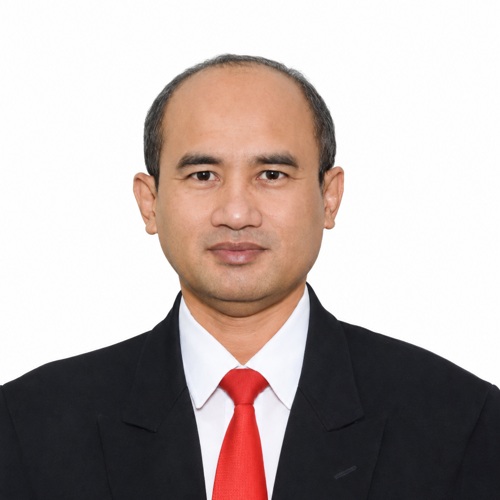 Dedy Gunawan — Acting Director General, Infrastructure Financing, Ministry of Public Works
 Dr. Suraji — Assistant Deputy for Food and Water Resource Infrastructure, Ministry for Infrastructure and Regional Development
9:20 AM - 9:50 AM
The regional water picture: risks and needs
West Java’s industrial growth is putting increasing pressure on an already stretched water system. This panel will take stock of the region’s most pressing water risks, identify the gaps in infrastructure, treatment and resource management, and explore what needs to change to secure reliable, clean water for industry, communities and the environment.
 Faizal Rohmat — Assistant Professor, Institut Teknologi Bandung
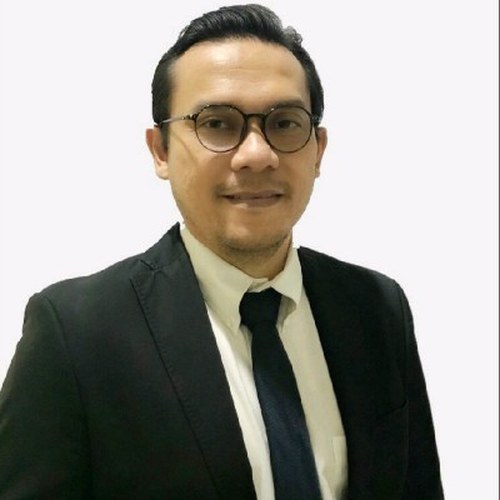 Fany Wedahuditama — Chairman, Water Stewardship Indonesia
 Heru Hendrayana — Professor in Hydrogeology, Faculty of Engineering, Gadjah Mada University
9:50 AM - 10:50 AM
A shared vision for West Java's industrial water
What would a water-secure industrial future look like for West Java? And what will it take to get there? Bringing together perspectives from government, industry and the water sector, this panel will explore the shared ambitions, competing priorities and practical barriers shaping the region’s water future. The panel’s conclusions will set the agenda for the three following dialogues.
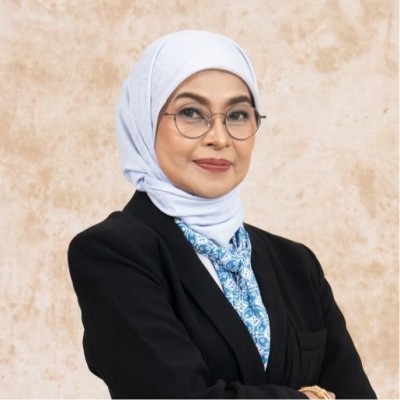 Dewi ChomistrianaModerator — Director General of Human Settlements, Ministry of Public Works
- Fany WedahuditamaModerator — Chairman, Water Stewardship Indonesia
 Cesar Hasibuan — Director, Responsible Supply Chain, South Asia, Nike
 Dr Subekti — Executive Director, PERPAMSI (Indonesian Water Supply Association)
 Irma Setiono — Senior Water Supply and Sanitation Specialist, World Bank
- Jeffri Ricardo — Head of Public Affairs and Sustainability, Danone
 Rachmat Pambudy — Minister, Bappenas
10:50 AM - 11:10 AM
Coffee break
11:10 AM - 12:40 PM
Conditions for concrete action: three dialogues
Turning shared ambitions into tangible progress means tackling the practical barriers to action. These three dialogues will explore the partnerships, policies, and financing mechanisms needed to deliver water security for West Java’s industry. Each will examine what is holding projects back, what needs to change and how stakeholders can move from discussion to implementation.
1.Municipal-industrial partnership models for water reuse and non-revenue water projects
Industry and utilities draw on the same stressed basins. Utilities lose large shares of their water to leaks and struggle to attract investment, while groundwater is cheap and weakly metered and reuse approvals are slow, so recycled water struggles to compete. Utilities often do not know how much water industry needs, and industry does not know what a utility can invest, so projects stall. Industry could help by co-funding network improvements and by becoming the anchor buyer of reclaimed water, but it needs reliable supply, clear permits and fair pricing. How can closer partnerships between industry and utilities cut losses and drive more reuse, what would it take, and what would each side commit? Topics for discussion • How industry could support utilities on non-revenue water (leak detection, pipe repair and maintenance, new pipework) and on large-scale infrastructure such as treatment, reclamation and conveyance, including through PPPs • Recycled and reclaimed water for industry, from estate level (GIIC, where the estate acts as the water utility) to large-scale municipal reclamation, with industry as off-takers • What it would take: infrastructure, financing, long-term off-take agreements, quality standards, cost-reflective tariffs and utility creditworthiness • The rules around it: reuse permitting, groundwater abstraction rules (metering, permits and tax, at the level of principles) and sharing actual abstraction volumes • Reliability conditions industry would attach to its support, such as maintenance and service levels Outcome A short list of commitments that industry and utilities would be willing to take forward, such as co-funding NRW reduction in return for part of the recovered water, or sharing abstraction data, plus an outline of what it would take for industry to become an off-taker of reclaimed water at scale (infrastructure, financing, permits, tariffs and groundwater rules).
- Dr Subekti — Executive Director, PERPAMSI (Indonesian Water Supply Association)
- Irma Setiono — Senior Water Supply and Sanitation Specialist, World Bank
2.Basin replenishment and catchment finance
Healthy catchments protect industry’s water supply and reduce flood risk, but upstream restoration lacks steady finance because the benefits are shared and hard to count. Several mechanisms are in play: payment for ecosystem services (PES), which is recognised in national law and piloted by a few companies but not yet on West Java’s provincial agenda; carbon revenue, which makes some restoration viable; and corporate and blended finance. Buyers need trusted governance and agreed ways to measure and verify results. Incentives also need an exit model, so the practice lasts once the initial incentive ends. How can companies pool money for basin work in West Java, which mechanisms suit it, what would government need to see before aligning incentives, who convenes it, and what would give buyers confidence? Topics for discussion • Ways to finance basin work: PES, pooled and blended funds, carbon-backed restoration and corporate programmes • Governance that gives buyers confidence: watershed forums (Forum DAS), local and provincial government, and getting PES onto West Java’s provincial agenda • Policy signals that reward stewardship: how PES could be aligned with water tariffs and tax incentives, and the Ministry of Environment’s draft “water farming” regulation • Catchment restoration, replenishment and flood resilience, with community benefits • Measuring and verifying the water benefit that funders pay for, including how replenishment is assessed (for example VWBA) and how methods for calculating and verifying claims could be harmonised • Making the benefits last once the initial incentive ends Outcome Agreement on one or two priority models for financing basin work in West Java, for example a pooled fund for a Citarum sub-catchment, and the conditions buyers need: governance, verification and who convenes it. Also a view from government on how PES and water tariffs could be aligned to encourage voluntary contributions.
- Adrian Ishak — Danone Ecosystem
 Cheryl Hicks — Senior Advisor, Water Resilience Coalition
- Jeffri Ricardo — Head of Public Affairs and Sustainability, Danone
3.Factory compliance, incentives and financing
Most factories treat wastewater as a compliance cost, water is cheap and discharge rules are unevenly enforced, so reuse and efficiency upgrades with long paybacks rarely get approved. Lenders overlook smaller factories, and few brands co-fund their suppliers. What would make factory upgrades bankable, and what would brands, banks and factories each need to see? Could collective-action funding help close the investment gap where an upgrade also addresses a shared basin water challenge? Topics for discussion • Reuse, recycling and efficiency upgrades at individual factories, including rainwater; treatment reliability and pollutant-load reduction • Brand co-funding of supplier upgrades, and shorter paybacks • Bundling small factories’ projects into packages for local banks and development finance • Discharge compliance and enforcement as the push behind upgrades, and incentives such as groundwater tax and permits, at the level of principles • Verifying the benefits of an improvement Outcome A shortlist of up to three financing mechanisms that could work for factories in West Java, each with who pays, what they get back and what lenders need to see. Examples to test: (1) brand co-funding of a supplier’s upgrade in return for a verified water benefit, which shortens the factory’s payback; (2) bundling several small factories’ projects into one package for a local or development bank; (3) factory loans repaid from verified savings, supported by incentives such as groundwater tax and permits.
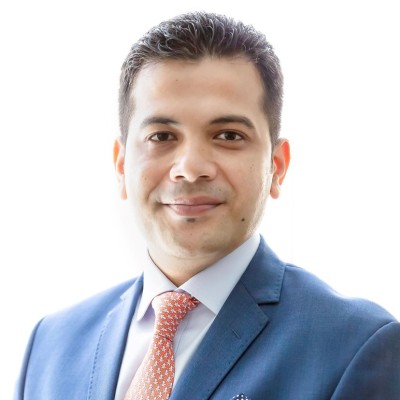 Kunal Shah — Senior VP - Global Head of DevCo, Aquatech
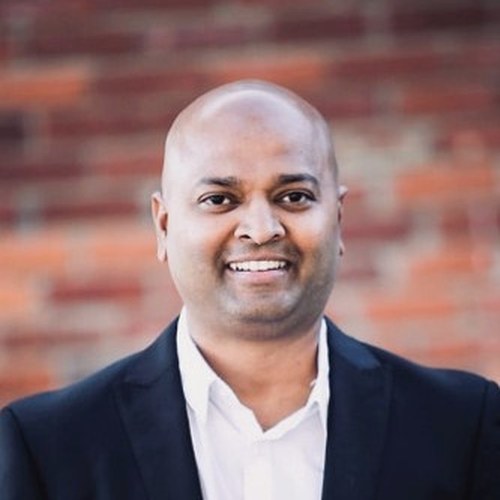 Vetrivel Dhagumudi — Founder & CEO, Hydris, Inc
12:40 PM - 1:40 PM
Lunch
1:40 PM - 2:55 PM
Project showcase: what is already working
What does effective water action look like in practice? This session will showcase innovative projects already delivering measurable results. Through practical examples, speakers will highlight what has worked, the challenges overcome and the lessons others can apply to scale up successful approaches across West Java.
1.Securing Water Resilience Across the Value Chain
Water challenges are shared across a basin, and no single company can solve them alone. This session will share how four Nike suppliers worked together to move beyond individual site action, aligning priorities and resources to address shared water challenges. This session provides a practical example of supplier-led collective action and how collaboration across manufacturing partners can create greater impact at basin scale. Nike will share its Positive Water Impact approach as one example of how companies can translate site-level action into broader water resilience.
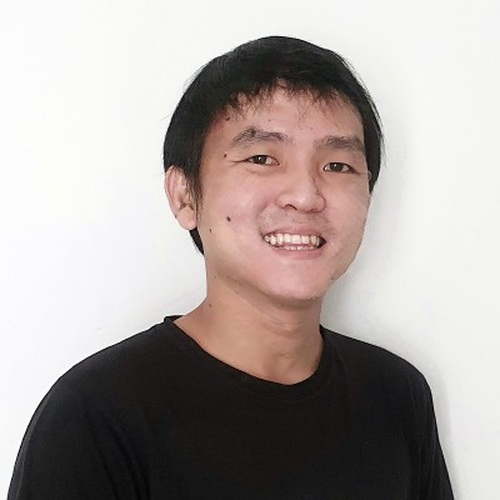 Dodi Wijaya — Global Water Stewardship, Nike
2.Global Eco-Industrial Parks Programme
Indonesia country-level intervention, funded by the Swiss government. Tenant companies run Resource Efficient and Cleaner Production (RECP) assessments to cut in-plant water, energy and materials use, alongside industrial symbiosis (tenants exchanging resources) and shared infrastructure. A model for a whole estate and its tenants improving together.
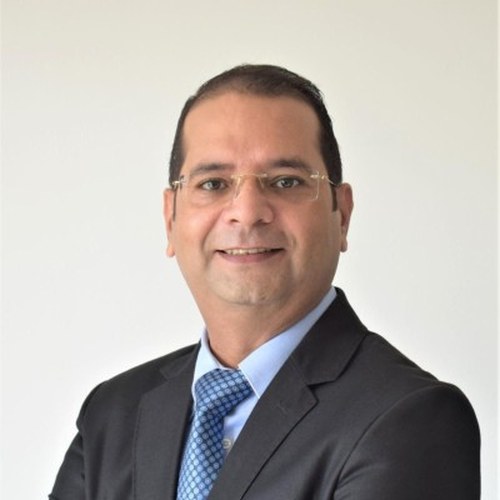 Salil Dutt — Chief Technical Adviser (CTA), UNIDO
3.Advancing Wastewater Quality Through Nitrogen & Phosphorus Management
In collaboration with Universitas Indonesia, adidas is conducting scientific research to identify critical factors influencing total nitrogen and total phosphorus removal in factory wastewater. The findings will guide suppliers in optimizing wastewater treatment, advancing toward ZDHC Aspirational performance for those parameters, and supporting broader freshwater ecosystem protection.
 Bianca Putri Ramadhani — Senior Manager Sourcing Sustainability, Field Operations, Adidas
4.Forums, communities and PES as a model for collective action
How payment for ecosystem services works in practice: how it is managed and by whom, and its link to the multi-stakeholder watershed forum (DAS) of government, local representatives and private actors; how to scale it up and attract several buyers or co-funders; the volumetric and social benefits it delivers; and building community-based businesses that create long-term value for farmers (paddy downstream, agroforestry upstream and midstream). Danone describes it as a tested approach rather than a single project, embedded in Indonesian regulation and illustrated with outcomes from its watershed forums across Java, including Cisadane, Cicatih and Cibeleng in West Java. A governance and engagement template for other companies.
- Jeffri Ricardo — Head of Public Affairs and Sustainability, Danone
2:55 PM - 4:25 PM
Project showcase: building the pipeline
Where are the next opportunities to turn water ambitions into investable projects? This session will spotlight emerging water projects in and around West Java seeking partners, expertise, and financing. Project developers will present their plans, and explore opportunities for collaboration with industry, utilities, technology providers, and investors. The aim is to connect promising projects with the right partners and resources to accelerate delivery.
1.Jakarta-wide performance-based non-revenue-water programme
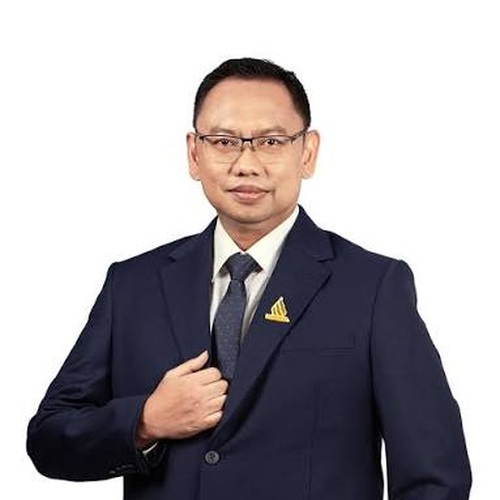
Jakarta’s water utility, PAM Jaya, is preparing a city-wide programme to cut non-revenue water, which stood at about 44% in 2026 across a network of about 13,000 km. The programme would build metered zones, repair and replace old pipes and connections, and add new pipework to grow coverage from 83% to 100% by 2029, aiming to bring non-revenue water below 30% and reduce groundwater use and land subsidence. PAM Jaya invites industry to discuss how they could support these ambitions, including via co-funded leak detection, pipe repair and maintenance, and new pipework.
 Tedy Jiwantara Sitepu — Director of Finance and General Affairs, PAM Jaya
2.Citarum Basin Collective Action and Catchment Restoration
The Citarum Basin’s water challenges are too big for any one company to solve, but much of the groundwork for joint action is already in place. Nike is working with Trees4Trees, which has been present in the Citarum area since 2020, planting more than 13 million trees and supporting over 60,000 farming families. Trees4Trees has assessed about 119,000 ha across the Citarum River watershed and determined that 8,000 ha of community land is suitable for planting around 5.5 million trees. Nike invites companies with interests in the Citarum Basin to explore how they can contribute, such as through shared investment, planting, monitoring and tracking water and nature benefits across the basin.
- Dodi Wijaya — Global Water Stewardship, Nike
3.West Java Factory-to-Watershed Initiative
A proposed collaborative approach using factory wastewater treatment plants to improve treatment performance, reduce pollutant loads, and quantify water-quality benefits that contribute to shared watershed objectives. Building on Hydris AI’s initial implementation at American & Efird Lanka (Elevate Textiles) in Sri Lanka, the West Java initiative aims to connect multiple factories within a shared watershed. Hydris Stewardship would enable measurement, benefit accounting, and evidence to support independent verification, creating opportunities for brands and financing partners to support collective water stewardship and future integration with utilities and other basin-level projects.
- Vetrivel Dhagumudi — Founder & CEO, Hydris, Inc
4.Citarum Basin AI Decision-Support Pilot
The development of a proof of concept for the use of generative AI to support pragmatic, evidence-based decision-making by government and private sector leaders on water security within a specific basin context. The pilot will assemble dispersed data into a shared, source-cited evidence base and frame outputs and decision-choices for three audiences: regulators, industry leaders (factory operations), and global branding teams with the objective of supporting more informed and effective decision-making. It is proposed to focus initially on the Bandung textile clusters within the Citarum Basin, West Java (though this is not fixed). The intention is for the pilot to support the work of a collaborative platform comprising key basin stakeholders (both public and private) who will oversee and guide the work. The pilot aims to show the value of GenAI in assembling and organising diverse data and narrowing perception gaps cost-effectively. The goal is to produce a documented approach, process and model that could be replicated and scaled.
 Rolfe Eberhard — Owner, Catalyst
5.SPAM Regional Ir. H. Djuanda (Jatiluhur II): The Next Regional Water Supply PPP Opportunity in West Java
Ministry of Public Works
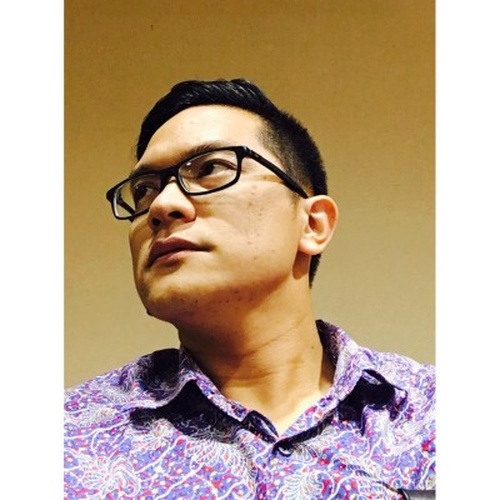
SPAM Regional Ir. H. Djuanda (Jatiluhur II) is a government-initiated PPP that will draw raw water from the Jatiluhur Reservoir to supply around 3,071 L/s of bulk drinking water to Bekasi Regency, Bekasi City, Depok City, Bogor Regency and Karawang Regency, as well as DKI Jakarta, subject to confirmation. The project scope and technical alternatives will be presented alongside the preliminary investment estimate (around Rp6.57 trillion with DKI Jakarta), proposed PPP structure and government support. This table will also outline the roadmap from the pre-feasibility study (2027–2028) and PPP procurement (2029) to target operation in 2033, and the opportunities for private investors and industry to take part.
 Encik Hardiansyah — Directorate General of Public Works Infrastructure Financing, Ministry of Public Works
6.Industrial Wastewater Roadmap
Bappenas
Bappenas invites industry to learn more about plans for an Industrial Wastewater Roadmap and provide feedback for West Java. The Industrial Wastewater Management Roadmap aims to strengthen Indonesia’s industrial wastewater governance as a national priority for environmental protection, green industrial transformation, and sustainable economic development. It promotes a transition from fragmented, compliance-oriented approaches toward integrated, basin-based planning, pollutant-load management, and differentiated regulatory measures, while maintaining national consistency. The roadmap is guided by three interconnected perspectives: pollution control, green competitiveness, and catchment intelligence, with a focus on expanding support and compliance beyond large enterprises to include MSMEs, industrial clusters, and non-estate facilities. It is operationalised through six strategic pillars covering regulatory reform, supply-chain inclusion, monitoring and enforcement, green industry competitiveness, capacity building and knowledge, and groundwater and subsidence governance; supported by inclusive, climate-aware, and participatory approaches.
- Ayesha Sayyida Ulayya — Infrastructure Planner, Directorate of Water Resources, Ministry of National Development Planning (Bappenas)
7.Utility-Led Water Resilience
PDAM Tirta Moedal and VEI Dutch Water Operators
PDAM Tirta Moedal, supported by VEI Dutch Water Operators, is stepping beyond a traditional utility mandate to build water resilience for Semarang, working with industry, government and upstream partners. This table will share how the utility is moving industrial customers off groundwater and developing upstream conservation. It will also explore how industry can partner as investors and beneficiaries to scale this work.
 Thomas de Jong — Project Manager, VEI Dutch Water Operators
8.Corporate collective action in the Java Basin
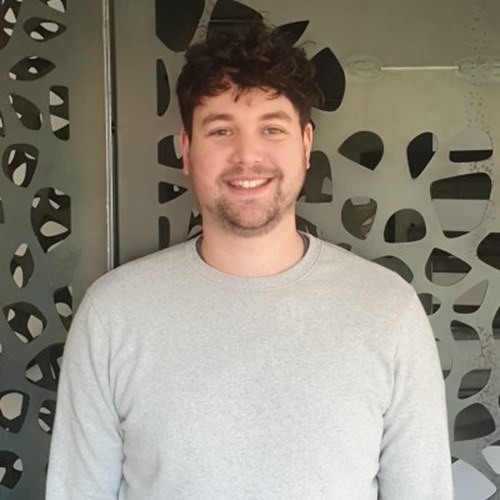
WRC Java Basin Collaborative and the BERSAMA WASH Collective Action Project bring industry leaders together to collectively reduce water risk, align fragmented investments, and build long-term water resilience, water security and safe water, sanitation and hygiene (WASH) access in the Java Basin.
- Cheryl Hicks — Senior Advisor, Water Resilience Coalition
 Scott Oram — Global Water Lead, Haleon
4:25 PM - 4:45 PM
Coffee break
4:45 PM - 5:30 PM
Next steps and close
How do we turn the day’s discussions into lasting progress? The closing session will bring together the key insights and priorities for action, reflecting on where common ground has been found and what challenges remain. Speakers will outline commitments, next steps and opportunities for continued collaboration, ensuring the momentum built throughout the day translates into meaningful action for West Java’s water future.
- Adrian Ishak — Project Lead Asia, Danone Ecosystem
 Devi Kusumaningtyas — Director, Government & Public Affairs, Indonesia, Nike
5:45 PM - 7:00 PM
Private meeting: coordinated action in the Citarum Basin
By invitation only.
6:00 PM - 7:00 PM
Evening reception
7:00 PM - 9:00 PM
Networking dinner
A sit-down networking buffet dinner for all participants, held in the Pacific Place Glass House. Includes short remarks from Co-Hosts and a welcome moment for the water utilities joining the 300 Water Leaders initiative.
 Ashwini Srinivas — Director, Responsible Supply Chain (Deployment), Singapore, Nike
- Christopher Gasson — Founder and CEO, Global Water Intelligence
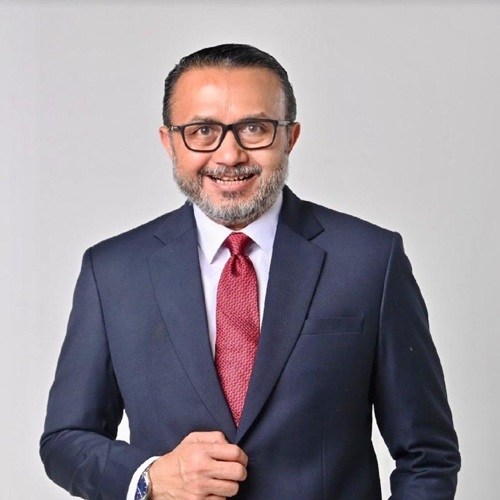 M. Agung Laksamana — General Secretary Director Danone Indonesia, Danone
Day 3 · Site visit day
Wednesday, 18 November
Transport departs from Ritz-Carlton Jakarta, Pacific Place
Open to workshop attendees only
7:00 AM - 4:00 PM
Water Stewardship Showcase at Aranya
The visit to Aranya will demonstrate Danone Indonesia’s water stewardship practices and facilitate peer exchange on responsible operations, watershed management, and community engagement. Beyond knowledge sharing, the visit aims to identify concrete opportunities for collaboration, including co-financing community water access and watershed restoration projects, replicating successful stewardship models in other priority catchments, and developing joint initiatives with corporate partners, local communities, NGOs, and financing institutions. Buses depart from the Ritz-Carlton at 7:00am.
6:40 AM - 6:30 PM
BERSAMA WASH Collective Action Project
The visit will showcase the early implementation phase of the BERSAMA Project in Bandung District, highlighting the role of collective action in strengthening water security and climate resilience. Following a dialogue with government and local business representatives, participants will visit a site where government-led interventions have successfully addressed water challenges, demonstrating the long-term benefits of investing in water resilience for communities and businesses. Participants will then visit the proposed BERSAMA intervention site to observe current conditions and understand the water vulnerabilities, climate risks, and opportunities identified through the project's water vulnerability assessment. Transport departs from the Ritz-Carlton at 6:40am.